
Ivory or Not to Be.
Decoration of any object for the purpose of beautification rather than camouflage has been used for thousands of years. As time went by the degree of sophistication of such enhancement and the range of media used advanced almost beyond belief.
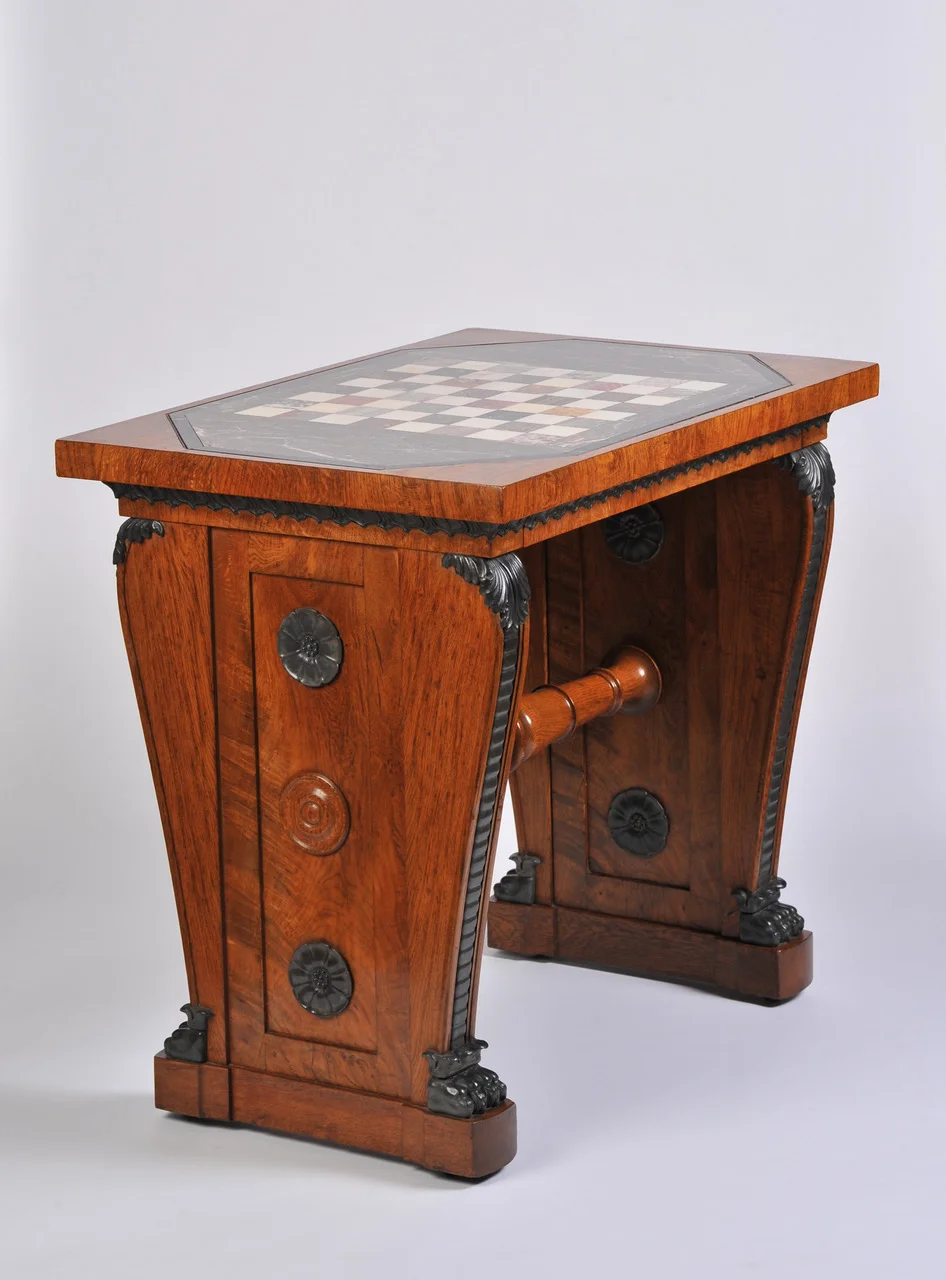
To take one example I have chosen the craft of inlay; where the surface of an object is excavated in a pattern to receive alternative and contrasting coloured materials to accentuate that pattern. On furniture of say walnut structure the inlay may be of ebony, pale boxwood or sycamore dyed green with oxide of iron. Or it might be ivory. Throughout the 16th to the late 19th century this decoration was highly prized but the raw material was hard to come by. In such a situation cheaper alternative materials are always found. Here the produce of molluscs came to the rescue in the form of the armour of the Pinctada, the Haliotis and the Caenogastropoda to be supplemented by Ivorine (celluloid) in the 1850’s. Importantly for the craftsmen the difference between mollusc and ivory is indistinguishable to the naked eye and therefore it is obvious that not all that was described as ivory was in fact from a noble tusk. By the late 18th century, when collecting fine furniture from an earlier period became fashionable, those handling the sales, later to be known as ‘antique’ dealers, were keen always to declare the use of ivory to further its appeal and increase the value. This practice continued until 1st July 1975, on which day there came into force legislation called CITES, the Convention on International Trade in Endangered Species of Wild Fauna and Flora, an international agreement between governments. Its aim is to ensure that international trade in specimens of wild animals and plants does not threaten their survival. So now the export of ivory across the globe is strictly controlled if not forbidden, but trade in the humble periwinkle is not. Get your abalone here ….but you’ll need a scientifically verified certificate to prove it, one way or the other. How things have changed.

Bly's Bounty August 2017 Edition

Are you sitting comfortably?
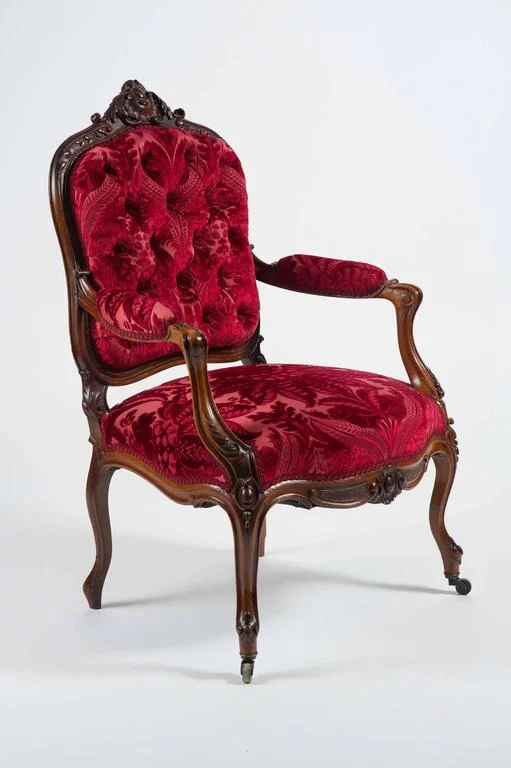
Are you sitting comfortably? Well if you’re in or on a mid-eighteenth century chair there is no question that you will be. On the other hand a chair from the 1790’s will show the appearance of elegance and severe uprightness of posture to have been more important than relaxed comfort. The point is that throughout history the chair is the best possible guide to social history that one could have. It reflects the changes in costume, attitude and etiquette. The wide seats and angled backs of the 1740’s to 1770’s allowed for the wide frock coats of men and full skirts of women whereas the narrower seats and upright backs of the post 1770’s were better suited for the tight-fitting clothes for men and simple Empire line for women. The advent of the fully upholstered chair in the late 17th century was a natural progression from large cushions on solid wood seats and enabled people sit back at ease. The double curve or ogee leg shape we refer to as ‘cabriole’ was a Chinese influence but in France it was made to end in a cloven hoof foot. As animals with such feet tend to jump around and the French dancing term for bounding and leaping was ‘cabriole’ the name stuck. However we were not over fond of the French or their foot designs so we terminated our chair legs with either a simple pad or slipper foot or the famous ‘claw and ball’. This was another Chinese emblem representing the sacred pearl of wisdom being clasped by the dragon’s claw. But we retained the description of the leg as ‘cabriole’ and any chair showing this feature will look very much like a Georgian gentleman. The introduction of coiled springs in the 1820’s took the upholstery industry by storm and by the mid Victorian period deep buttoned seats and backs filled every front room and parlour, this time reflecting the overstuffed rooms and clothes of the period. Such assimilation is less apparent in the 20th century when novelty was more important than comfort until leading designers successfully combined the two. For examples of this, just look and sit in any chair by John Makepeace, the master, and relax.